How to Prepare for a Brand Photoshoot (What You Actually Need)
There is a moment in most growing businesses where the visuals you started with just don’t quite fit anymore.
Maybe you’re launching something new. Maybe your website has evolved but your imagery hasn’t. Or perhaps you’ve reached the point where piecing together phone photos, old brand images and stock content no longer reflects the business you’ve built.
So you decide it’s time for a brand photoshoot.
And then comes the slightly overwhelming bit…
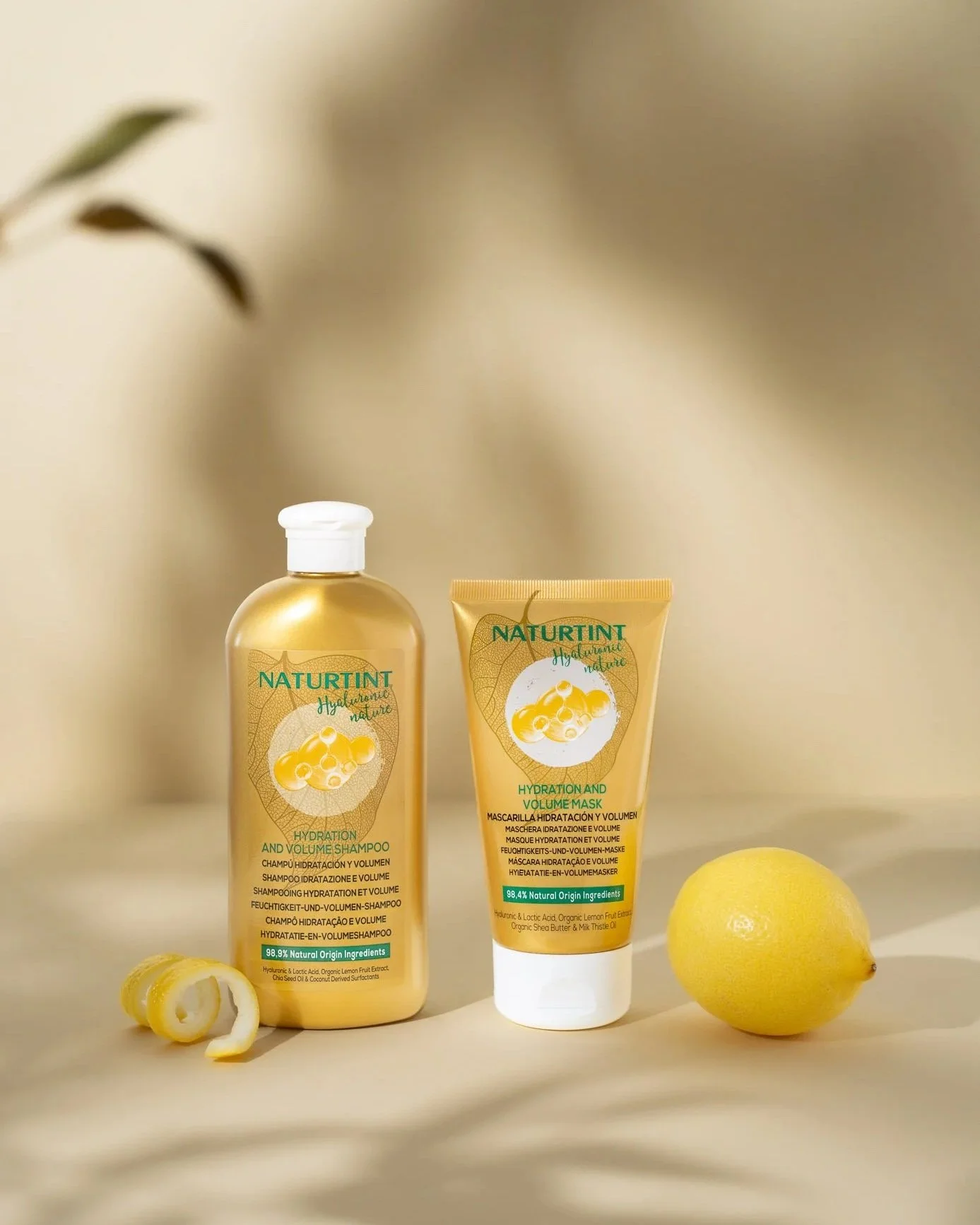
Styled Product Photography.
What do you actually need?
A moodboard? A shot list? Props? Models? Every product you’ve ever made? Do you need to know exactly what the shoot should look like before you even approach a photographer?
Not necessarily.
A good brand photoshoot should start with intention, but that doesn’t mean you need to arrive with every creative decision already made. Part of my job as a photographer, stylist and creative is helping you work that out.
So if you’re wondering how to prepare for a brand photoshoot, this is where I’d start.
1. Start With Why You Need the Images
Before we talk about aesthetics, locations or props, we need to know what the photography actually needs to do.
Are you:
launching a new product?
refreshing your website?
creating an ecommerce store?
planning a marketing campaign?
building a bank of social content?
rebranding?
launching a new service?
trying to make your visual identity finally feel like the business you’ve become?
Your answer changes the entire shoot.
A website banner needs to be composed differently from an ecommerce image. A launch campaign might need hero imagery, supporting details and teaser content. Social media needs a mixture of compositions that can work across posts, stories and reels.
This is why my brand photoshoot planning starts with purpose rather than Pinterest.
Before asking what should we photograph?, ask:
Where is this image going, what does it need to communicate and what do I want someone to feel when they see it?
Once we know that, the rest starts falling into place.
2. Work Out What You Actually Need Photographed
If yours is a product based business, start by creating a complete product list.
Not a vague “we need some photos of the new range”.
Actually map it out.
Which products are included? Which colours, scents, flavours, sizes or variations matter? Does every SKU need its own image? Are some products more important than others?
Then think beyond the individual product.
You might need:
individual hero images
group shots
collection images
packaging shots
close details
products in use
lifestyle images
ingredient led imagery
images with models
campaign imagery
ecommerce images
negative space for text
vertical and horizontal variations
If you’re asking what photos does my business need, there isn’t one universal answer.
You need the images that support your business.
And if you don’t know what those are yet, that’s okay. I can help you map them.
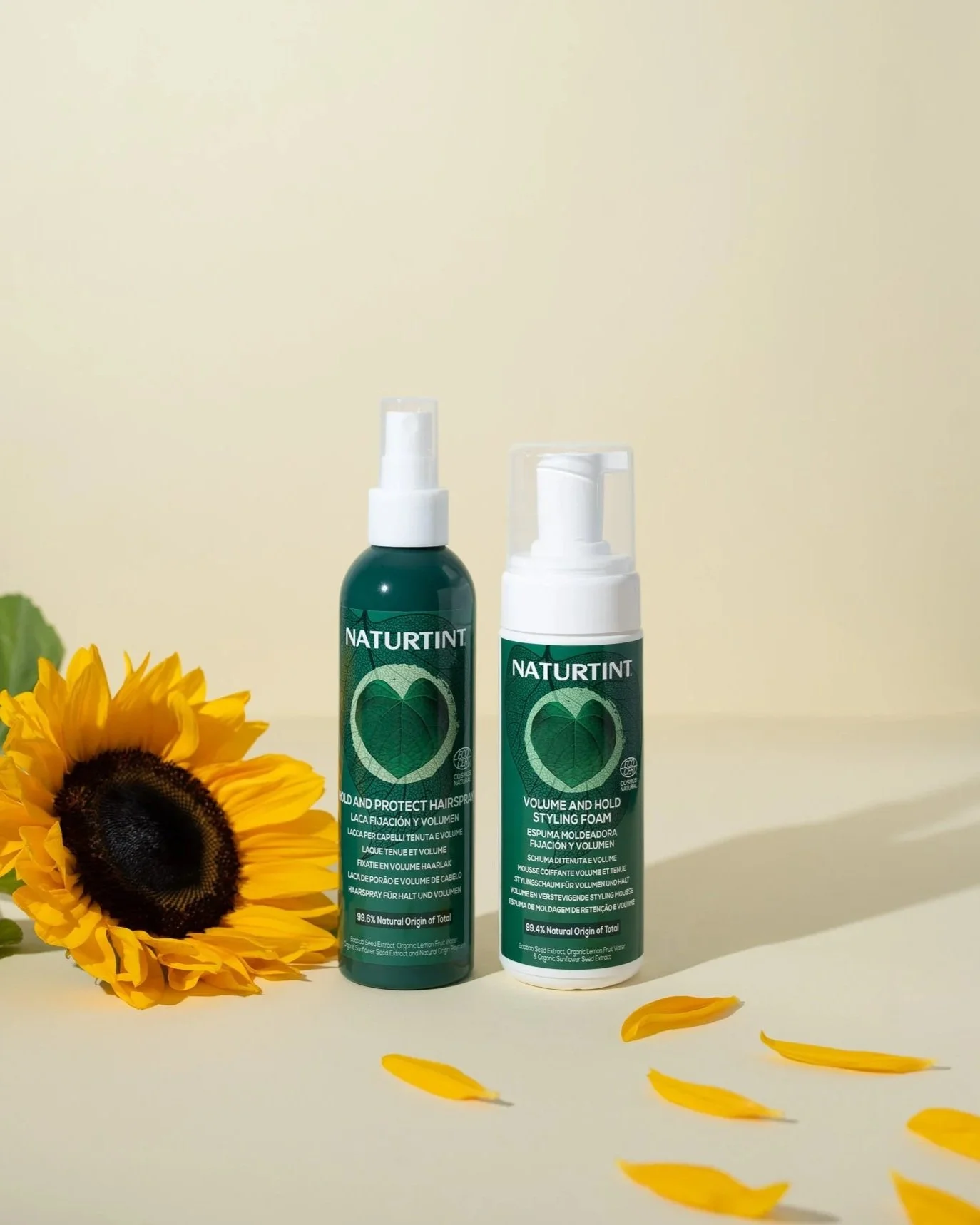
Creative Product Photography Setup.
3. Build a Brand Photography Shot List
Once we know what we're creating and where the images need to live, we can turn those ideas into a brand photography shot list.
For product focused shoots, I’ll also create a more detailed product photography shot list so we know which combinations, angles, details and scenarios need capturing.
A shot list isn't there to strip the creativity out of the day.
Quite the opposite.
It gives us a framework so we can create freely without reaching the end of the shoot and realising we somehow forgot the one image you desperately needed for your homepage.
I like to think of it as the bones of the shoot.
We know what we absolutely need. Then we leave room for instinct, experimentation and those little moments that appear when everything starts flowing.
Because some of my favourite images have come from ideas that weren't on the original list.
4. Think About the Story, Not Just the Product
This is the bit I love.
What are we actually trying to say?
Your product exists within a bigger story.
Perhaps your skincare is rooted in ritual and slowing down. Your clothing is about confidence or belonging. Your wellness product is designed to become part of somebody's morning routine. Your service gives people a sense of calm, freedom or possibility.
Those things give us something much richer to work with than “put product on beige background.”
A moodboard can help us translate that story visually.
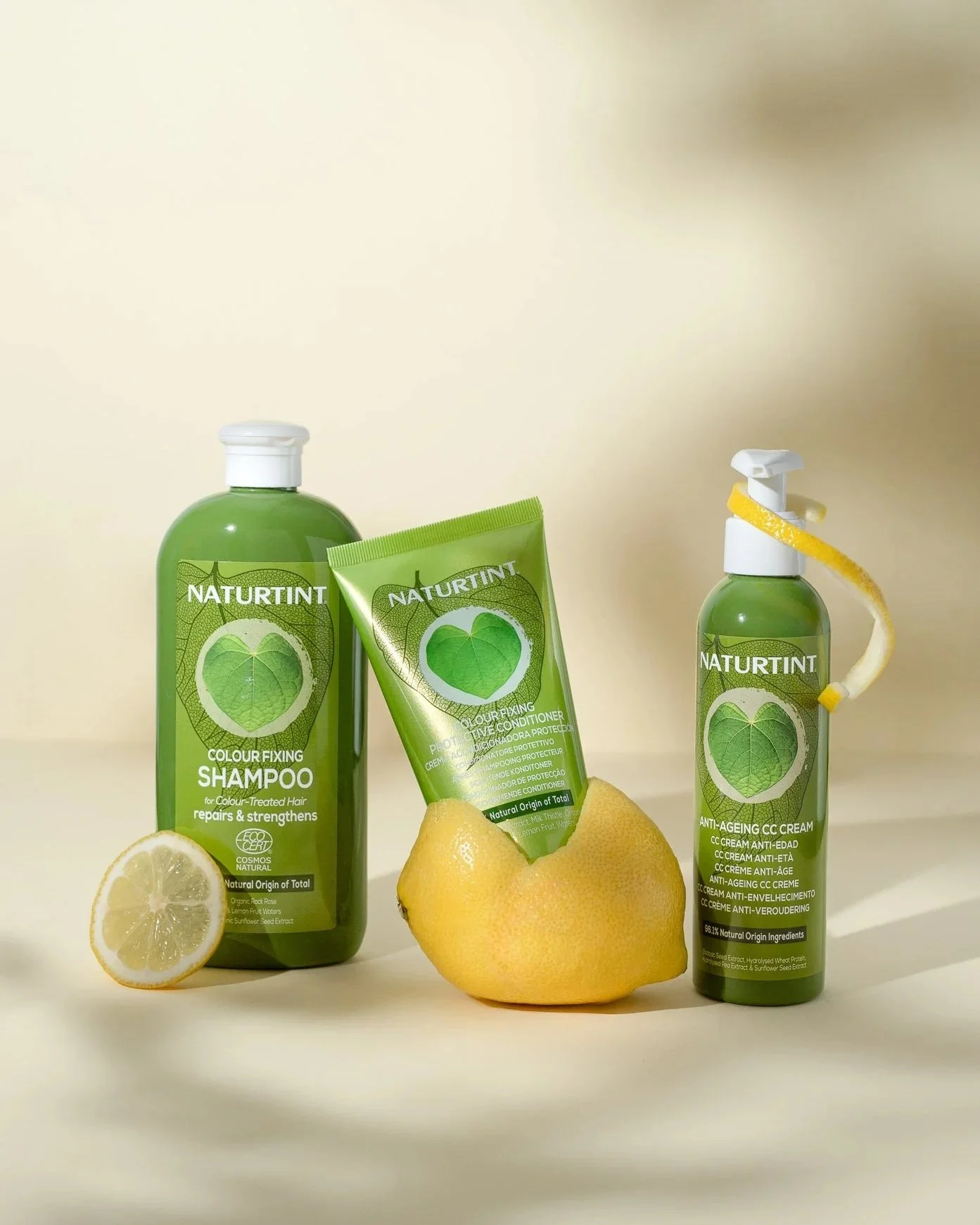
Product Photography Group Shot.
We can explore colour, texture, movement, lighting, location, composition, styling and references. Not to copy what somebody else has already created, but to establish a visual world that feels aligned with your brand.
This is where photography becomes storytelling rather than simply documentation.
5. Tell Me What Makes Your Product Special
If we're planning product photography, I want to know the details.
What are the things your customer needs to understand?
Maybe it's:
a particular ingredient
an unusual texture
sustainable packaging
craftsmanship
functionality
the way something moves
how it feels against the skin
a hidden detail
the scale of the product
the transformation it creates
These details influence the product photography setup.
An ingredient might become part of the styling. Texture might need a close shot. A functional feature might be much easier to understand when we show the product being used.
The aim isn't just to make something look beautiful.
The imagery should help communicate why somebody should care about it.
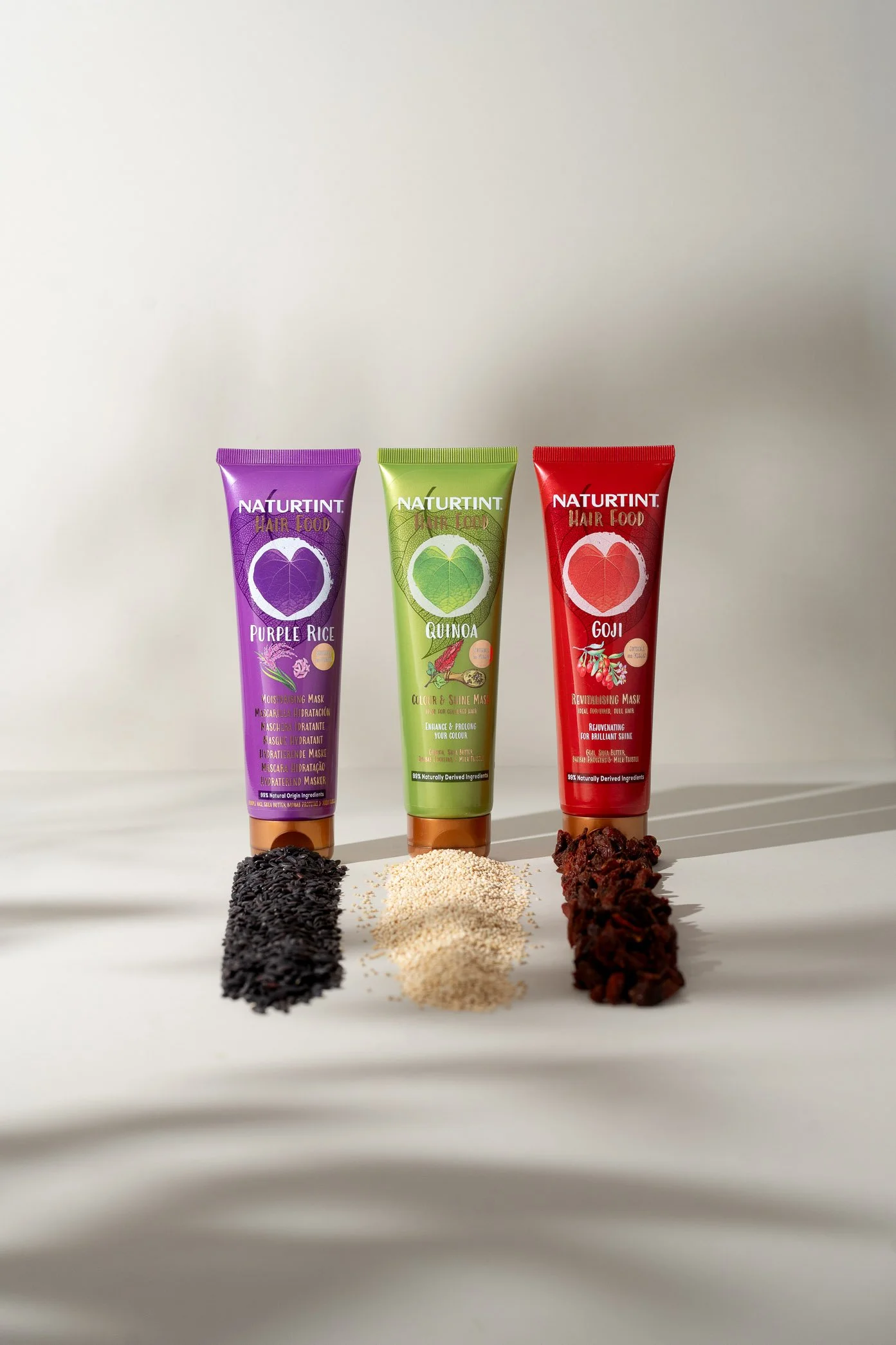
Ingredient Led Product Photography.
6. Think About Your Product Photography Setup
Once we know the story, we can decide where it needs to exist.
That could be a real location, outdoors, a lifestyle environment or a controlled product photo studio setup.
I have a home studio in Warrington where I can create styled product sets, which works beautifully when we want control over backgrounds, surfaces, props and lighting.
Other concepts need to breathe somewhere else.
A hiking product probably wants the outside world. A wellness brand might make sense within a calm home environment. A fashion campaign might need models and a larger studio or location.
The product photography lighting setup follows the creative direction too.
Sometimes I want clean, soft light. Sometimes hard shadows. Sometimes natural window light. Sometimes something darker, moodier or more experimental.
You don't need to know which light we need.
You need to know what you want the imagery to feel like.
I'll work backwards from there.
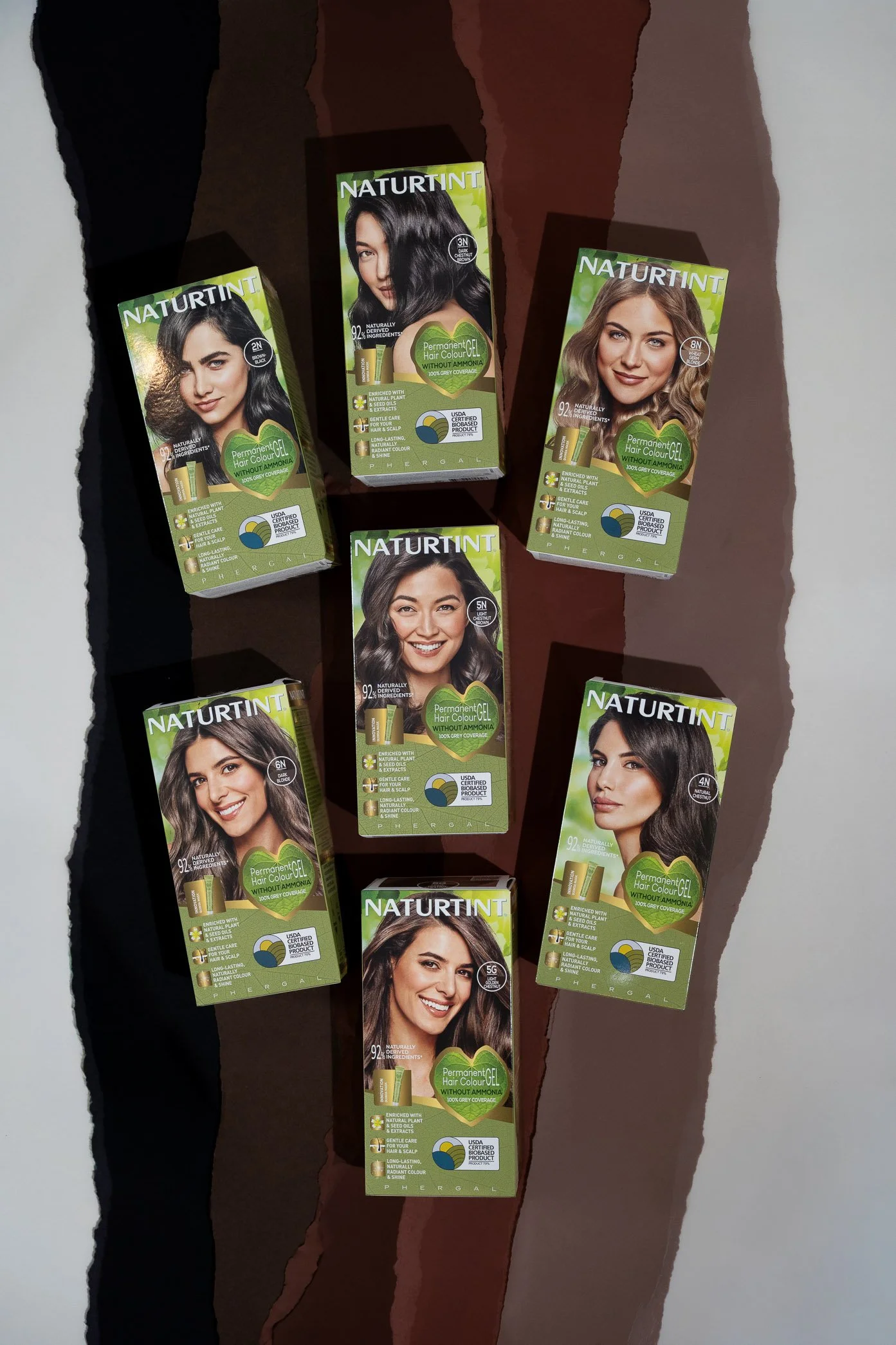
Packaging and Product Group Photography.
7. Consider Props, Ingredients and Supporting Details
Props should never exist simply because there was an empty corner of the photograph.
They need a reason to be there.
If we're photographing a product made with natural ingredients, perhaps those ingredients become part of the visual story.
If we're creating a morning ritual, maybe we need the cup, linen, book or bathroom details that make that world believable.
If we're shooting clothing, we might need accessories, furniture or objects that help establish the personality of the campaign.
Think about what naturally belongs in your product's world.
You might already own some of it. I have a collection of props and styling pieces too, and depending on the brief we can source or create what else we need.
Good styling adds context.
Great styling makes the world around the product feel inevitable.
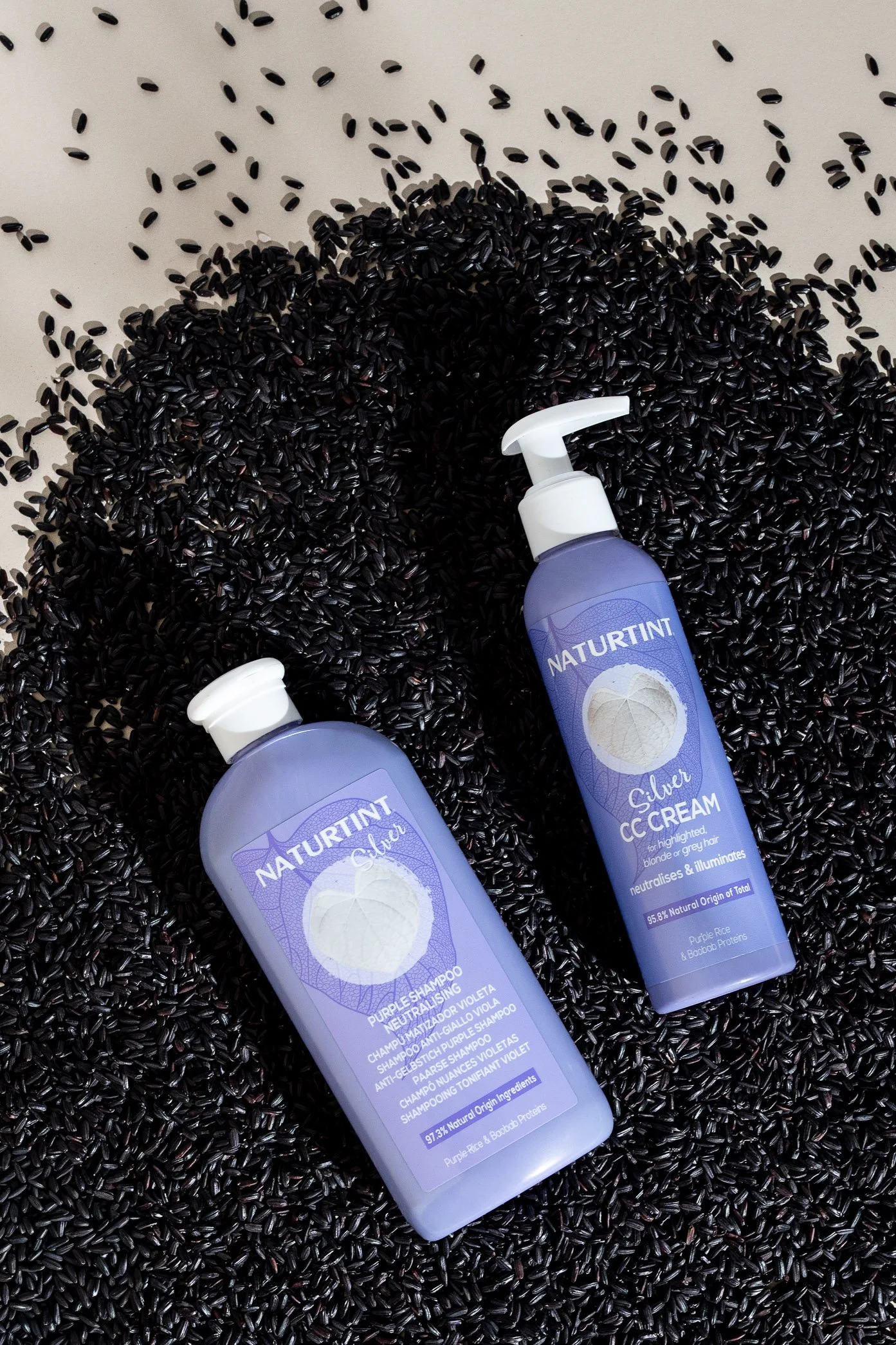
Creative Product Photography Styling.
8. Send More Product Than You Think We’ll Need
Where possible, I always recommend having backups.
Photography can be surprisingly destructive.
Packaging gets opened. Drinks get poured. Food gets cut. Products get handled. Labels get wet. Ingredients get scattered across sets.
If we need a pristine packaging image and an image showing the product being used, one sample might not be enough.
As part of your product photography checklist, think about:
pristine unopened packaging
products that can be opened or used
spare labels or packaging
multiple products for group shots
ingredients or raw materials
different colour or product variations
anything disposable that we may need more than once
It gives us far more freedom to create without having to protect the only perfect sample like it's the Crown Jewels.
9. Do We Need People?
Not every brand photoshoot needs models.
But sometimes showing a human using, wearing, holding or interacting with a product completely changes how easily somebody can imagine it in their own life.
That might mean a full model, several models, hands only, a founder or even your existing community.
Think about who your customer is and who it would feel natural to see within your brand world.
Then there are the practical details: wardrobe, hair, makeup, nails, sizing, casting and model releases.
Again, you don't need to figure all of this out alone.
It simply needs to be considered early enough that we're not desperately trying to find a size 10 model at 10pm the night before the shoot.
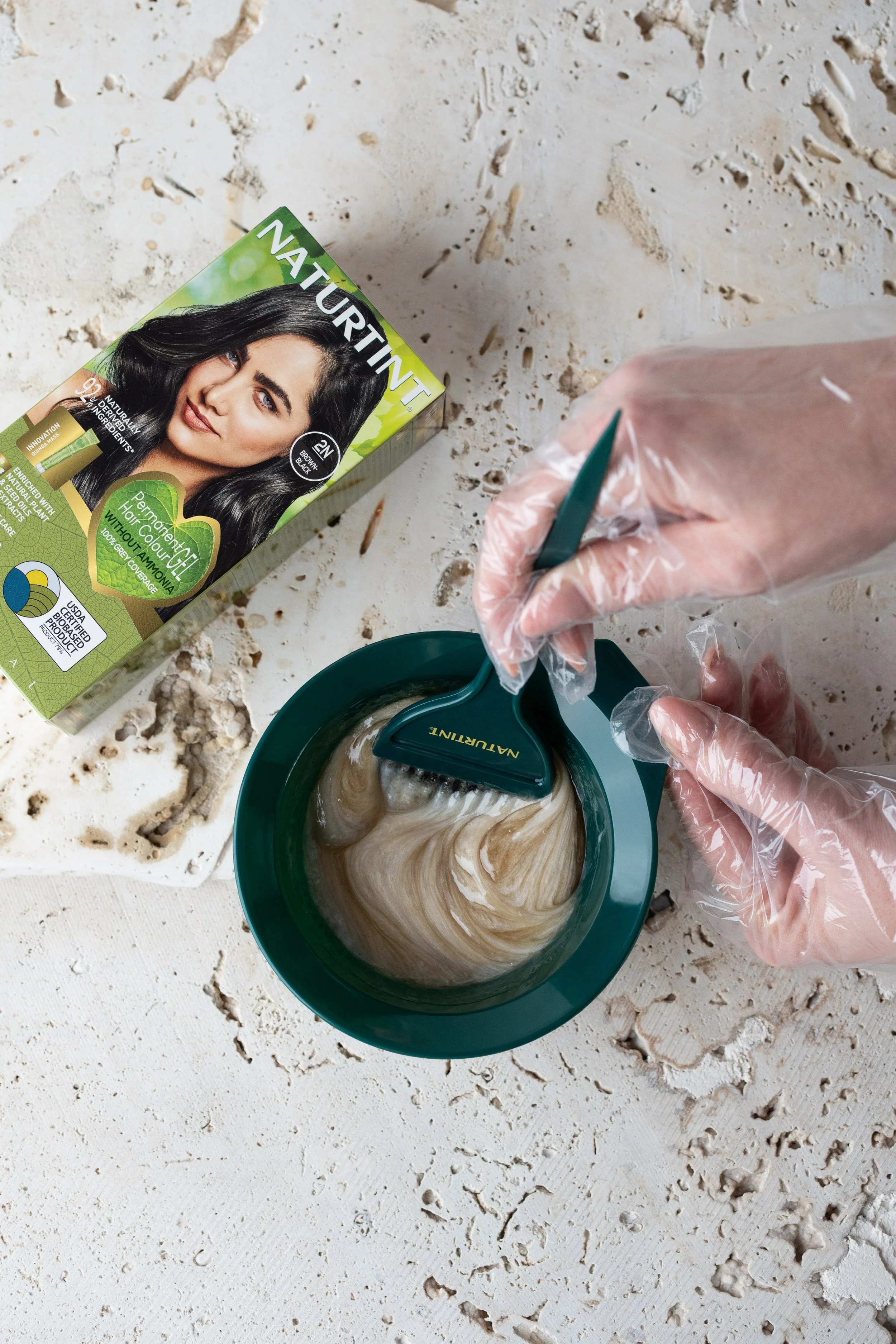
Lifestyle Product Photography.
10. Bring Everything Together in the Product Photography Brief
By this point, what initially felt like lots of separate decisions becomes one coherent product photography brief.
We know:
why we're shooting
what needs photographing
where the images will be used
the story we're telling
the key product features
the creative direction
the location or studio requirements
the props
whether we need models
the essential shots and formats
That's essentially your product photography checklist.
And it means everyone walks into the shoot understanding what we're creating and why.
But I want to stress something here.
You do not need to turn up to me with all of this figured out.
If you already have a detailed creative brief, amazing. If you have a product, a purpose and approximately 47 saved Pinterest images that you can't quite explain, we can start there too.
Part of my process is pulling those threads together.
The Practical Stuff Matters. But So Does the Feeling.
I am a planner.
I want the lists. I want the products accounted for. I want to know the dimensions, deliverables, locations, models and where every image needs to go.
But I also don't believe the best creative work comes from controlling every last detail.
There has to be room for something to happen.
For the light to hit differently than expected. For a prop to end up somewhere we hadn't planned. For a model to move in a way that suddenly makes the whole concept click.
That balance between preparation and openness is where I think the magic sits.
We create the structure.
Then we give the creativity somewhere to move.
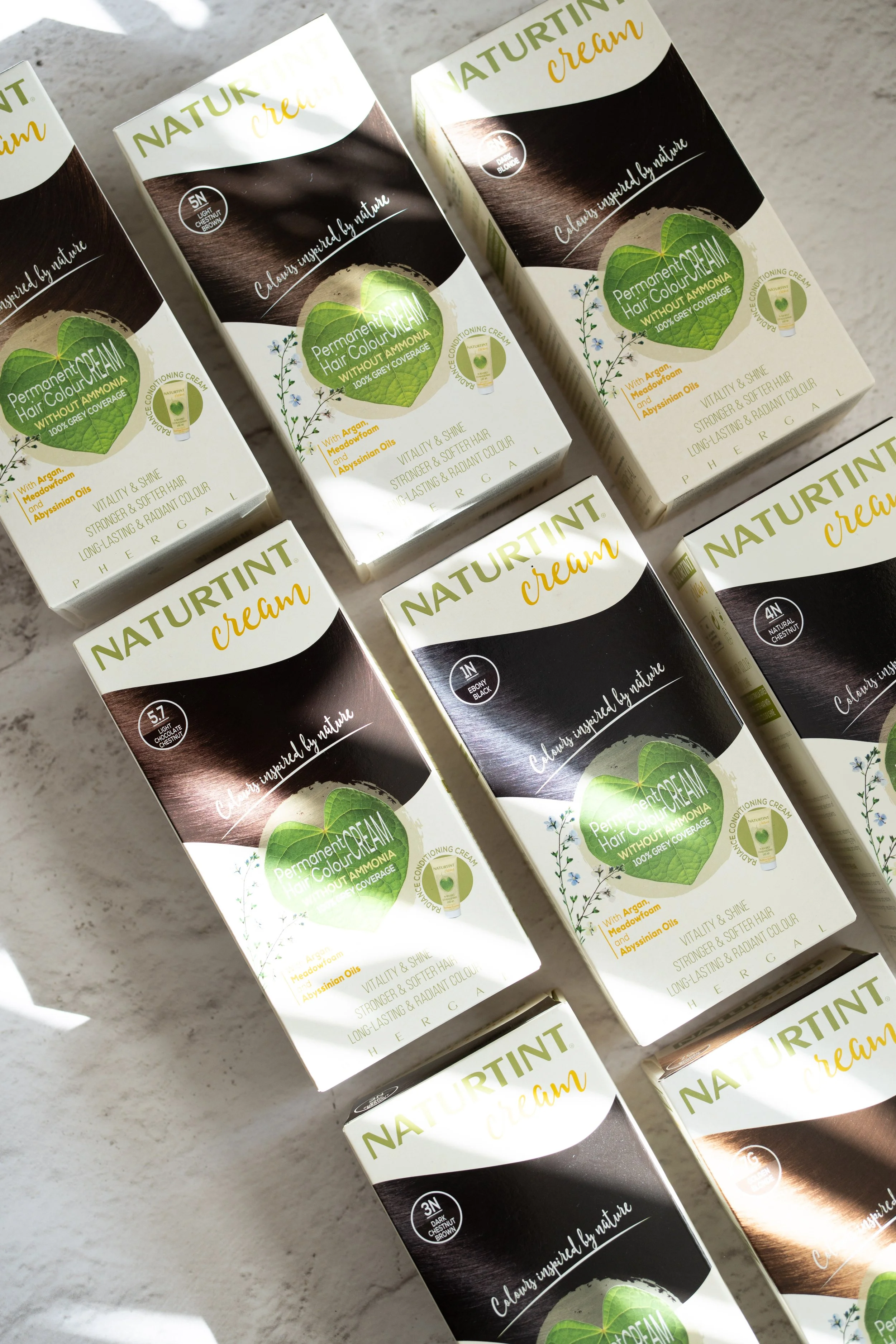
Creative Brand Imagery.
Preparing for Your Brand Photoshoot
If you've been wondering how to plan a product photoshoot or how much preparation you need before approaching a photographer, you don't need to have a finished creative concept before making contact.
You just need somewhere to begin.
At Rebel Black Studio, I work with founders and purpose led brands to shape the whole visual story, from early ideas and creative direction through to styling, shot lists, photography and short form video.
Sometimes that happens in my product photo studio in Warrington. Sometimes we're out on location. Sometimes we're building an entire campaign world around a new launch.
The setup changes.
The intention doesn't.
Create imagery that doesn't just show what you've made, but communicates why it matters.
If you're planning a launch, refreshing your brand or have an idea you want to bring to life, you can explore my Product Photography services or book a free Connection Session and we can work out what your shoot actually needs.