I never really had a grand plan to become a photographer.
Before Rebel Black Studio, I spent over a decade working in product development, buying, design and eventually content. I probably stayed in that world longer than I should have and although I always had some kind of creative side hustle going on, it wasn't until I had my boys that I really started questioning what I wanted work and life to look like.
I knew I wanted more flexibility, more creativity, more freedom to build something around the life I actually wanted.
At the time, I thought I was leaving my old career behind.
But it turns out, I brought quite a lot of it with me.
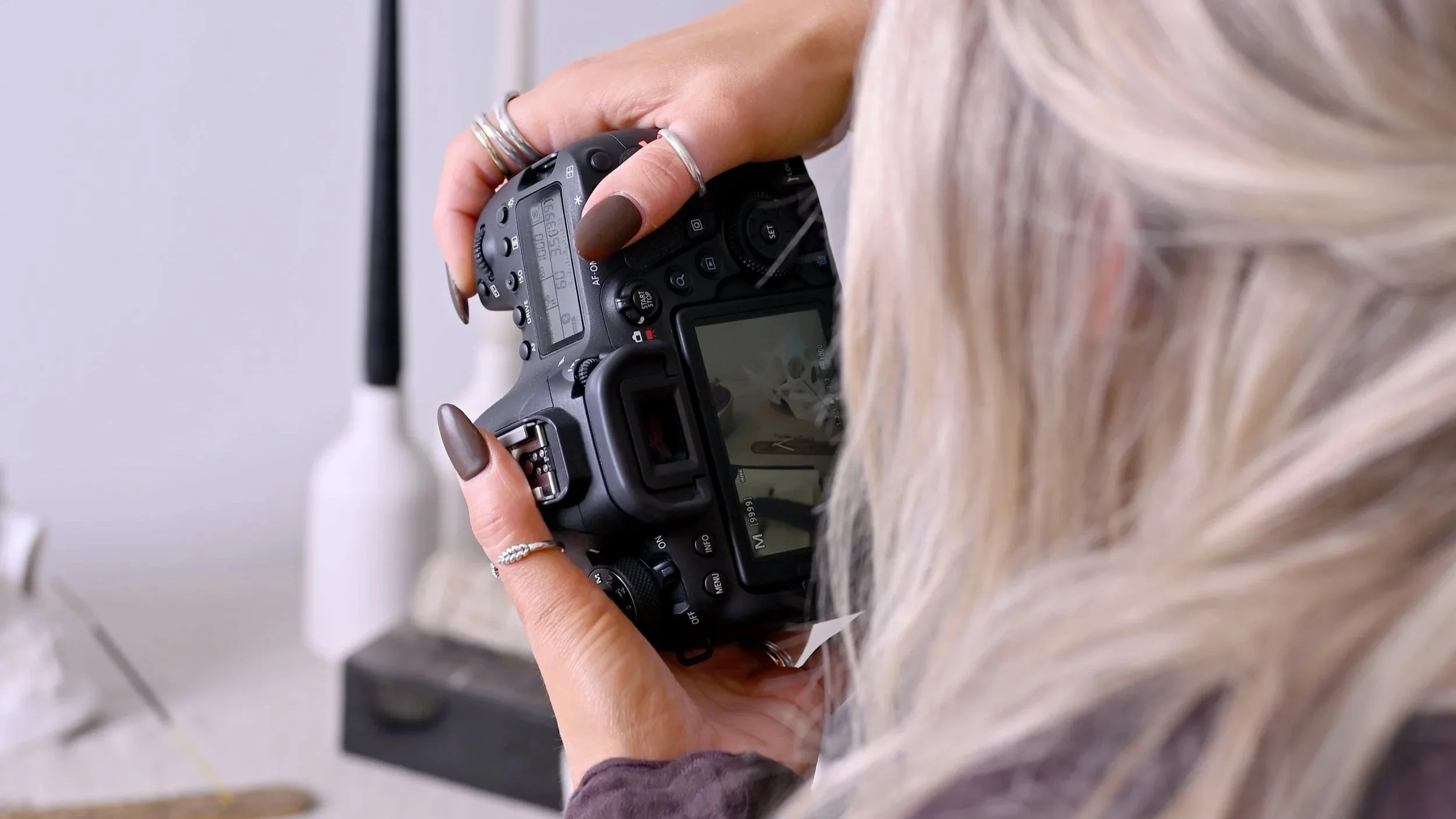
Behind the scenes on a product shoot, where the ideas on paper start becoming imagery.
From fashion accessories to Christmas decorations and pretty much everything in between
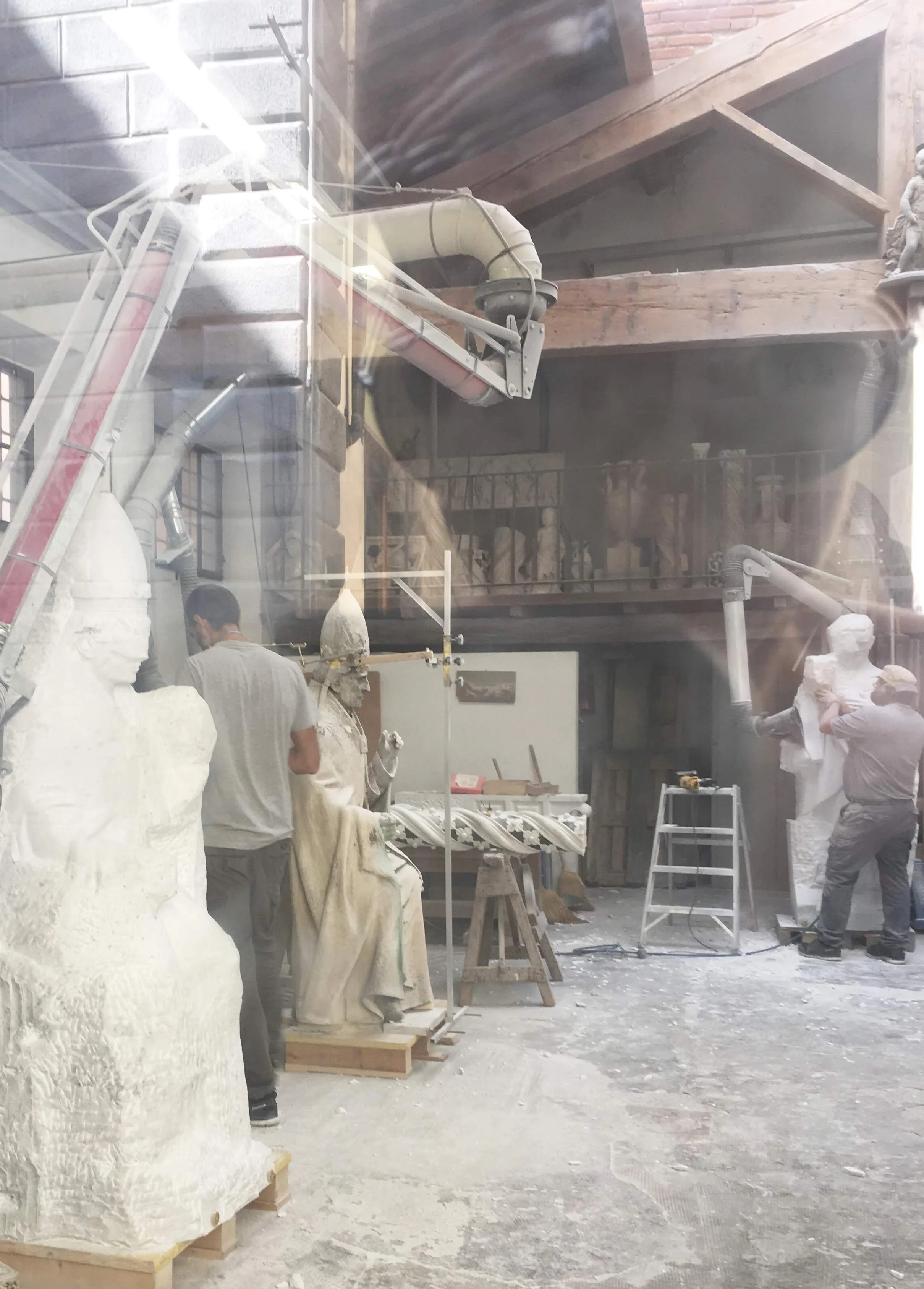
Watching ideas become physical products during one of my factory visits in China.
My career in product development covered a slightly ridiculous number of product categories.
I started out buying and developing fashion accessories, working across bags and scarves, as well as swimwear, lingerie and socks. From there I moved into beauty gift sets and bath and body products, then seasonal ranges including picnic, Halloween and Christmas.
Later, I managed a product development team working across everything from baby gifts right through to memorial products, with homewares, garden products and gifting somewhere in the middle.
Very much cradle to grave.
Product development also took me out to China, visiting factories and seeing first hand how products moved from an idea and a sample through to production.
I worked with major retailers, but also independent shops and garden centres. Some customers bought directly from stock, while others needed white label ranges developed specifically for them.
So although the products changed constantly, the thinking behind them was often the same.
Who are we talking to? What are they looking for? What's important about this particular product and how do we communicate that? Does the packaging matter? What are competitors doing? What's happening with trends?
That way of thinking has never really left me.
I was always obsessed with the visual bit
The creative side was always my favourite part.
I loved trend research and somehow always had a knack for spotting what was coming next. In the early days that could literally mean walking the streets of Ibiza doing trend reports, then coming back and translating everything I'd seen into something commercially useful.
And I have always been a sucker for a good moodboard.
For me, a moodboard isn't just a collection of nice pictures. It's a way of getting something that's floating around in your head out into the world so somebody else can see it too.
That became even more important when I moved into photography and content.
I eventually became Head of Content, where I was responsible for setting photography and content standards for the business. The imagery needed to satisfy our own internal requirements, but also the requirements of external customers who wanted to use it online, including businesses such as Amazon and Shop Direct.
I worked on photography guidelines for clean white background product imagery as well as lifestyle photography. I organised shoots internally and externally, sourced props, styled sets and led the creative in line with the different brand guidelines.
So when I eventually started Rebel Black Studio, I wasn't really starting from zero.
I was just finally the one holding the camera.
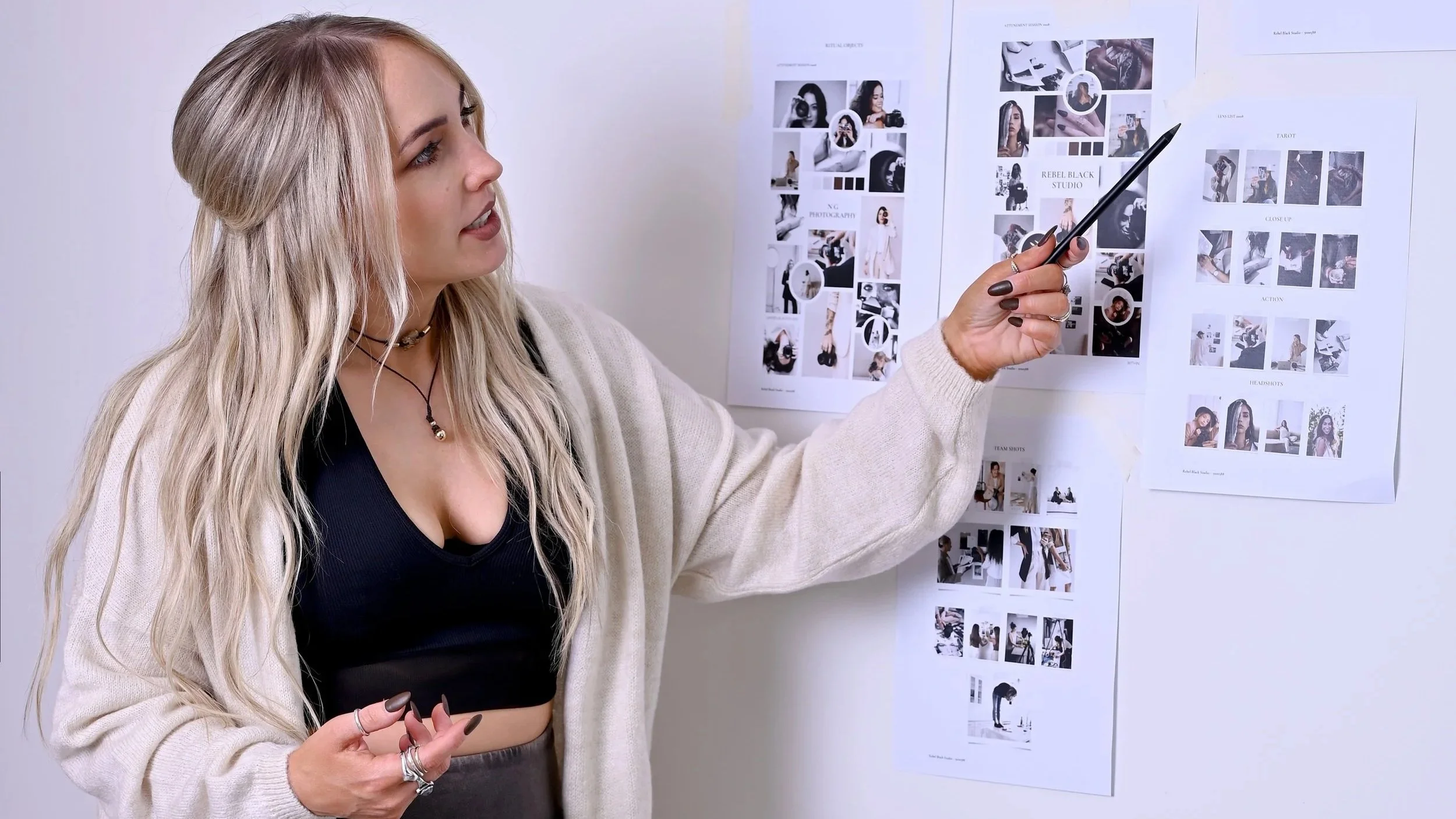
Creative direction still starts the same way for me now, with research, references and a clear visual direction.
The camera actually came later
While I was Head of Content, I worked with a photographer called Gary who started teaching me how to use the camera properly.
My original intention wasn't necessarily to become the photographer, when I first started working outside of my employed role, I was styling shoots and Nat, who I had also worked with, was photographing them. Around the same time I started shooting food for a business I had set up myself. That business ultimately failed, but it was the first time I'd really started photographing outside of the content studio.
Eventually, I was encouraged to go it alone. There was never really a dramatic moment where I decided this is it, I'm going to become a photographer now, it evolved.
And looking back, I think there’s something quite beautiful about that. I’ve never had a perfectly mapped out plan for where I’m going. I’m just learning to trust what feels right, follow the things that light me up and let the next step reveal itself when it’s meant to.
Photography found its way into my life gradually and maybe I didn’t need to know where it was all leading. I just needed to trust the process enough to keep following it.
I still think like a product developer, especially in brand storytelling
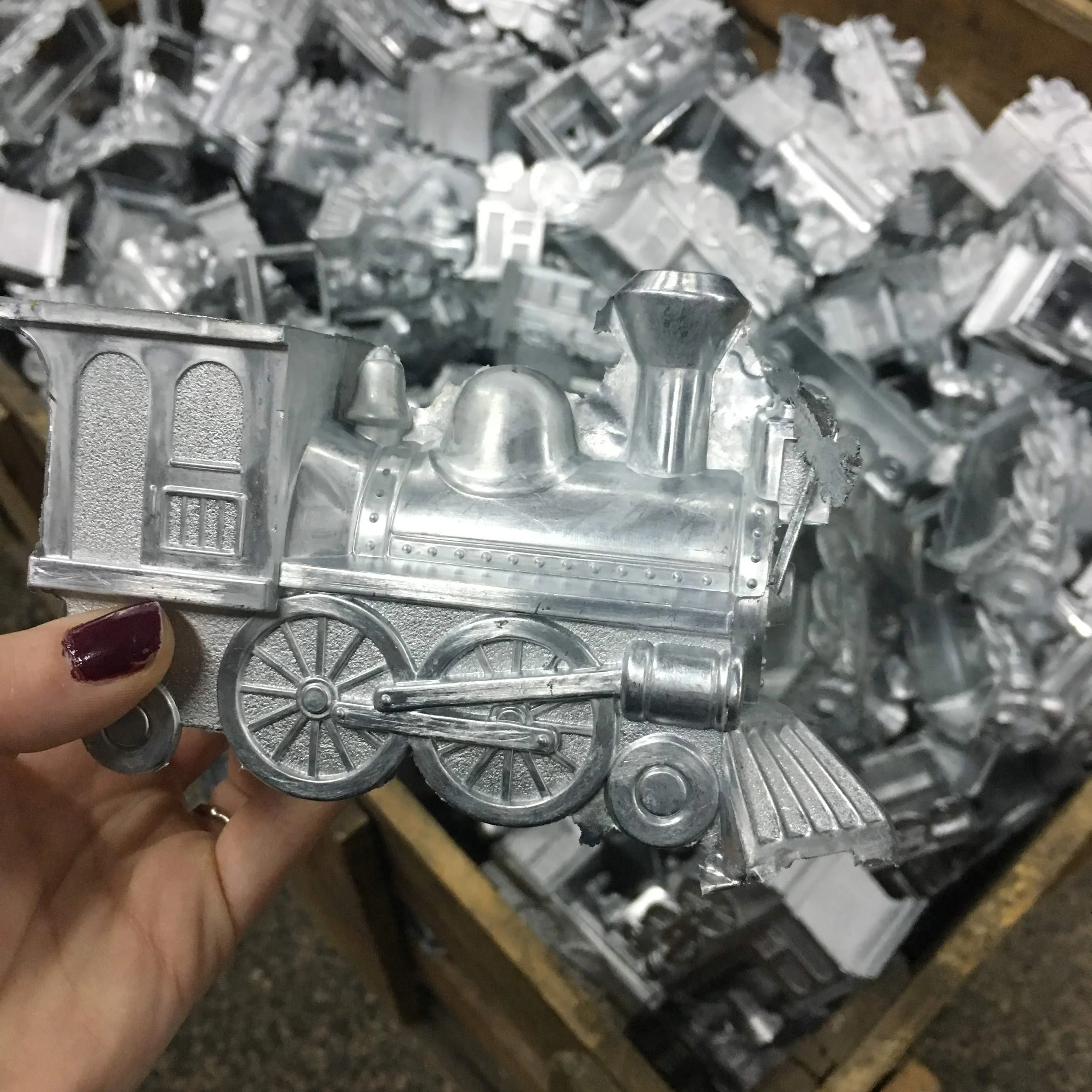
One of many product development trips, working directly with factories to take products from concept to reality.
I think this is probably one of the biggest things that shapes the way I approach brand storytelling now.
When somebody gives me a product, I'm not only looking at what will make a nice photograph.
I'm thinking about what somebody needs to understand about it.
If I'm photographing something where ingredients are an important part of the story, can we show them? If texture matters, how do we communicate that visually? If scent is part of the experience, how can we create an image that somehow gives you a sense of something you can't physically smell through a screen? Does the packaging need to feature because it's part of the selling point? What does the customer actually need to see?
That commercial thinking sits underneath a lot of my product photography styling and creative direction, even when I'm not consciously thinking about it.
I spent years analysing products and brands, so now it feels quite instinctive.
A beautiful image still needs to do its job
I love creating something beautiful, obviously. But commercial photography needs to do more than look good in isolation.
Before I start shooting, I want to understand what we actually need to get across. Then I'll look for inspiration, build the creative direction and work out how we can make it feel individual to the brand.
Once we're on set, I like leaving enough space to play. That's something I feel quite strongly about after years of working in a very commercial environment where content could sometimes just be churned out.
Now, I deliberately try to slow things down. I'd rather give myself enough time to move something, try another prop, change the light or follow an idea that suddenly appears while we're shooting.
Being commercial doesn't have to mean rushing. For me, the sweet spot is having a really thorough plan and then enough freedom within it to create something unexpected.
Naturtint: product photgraphy styling that went further than the brief
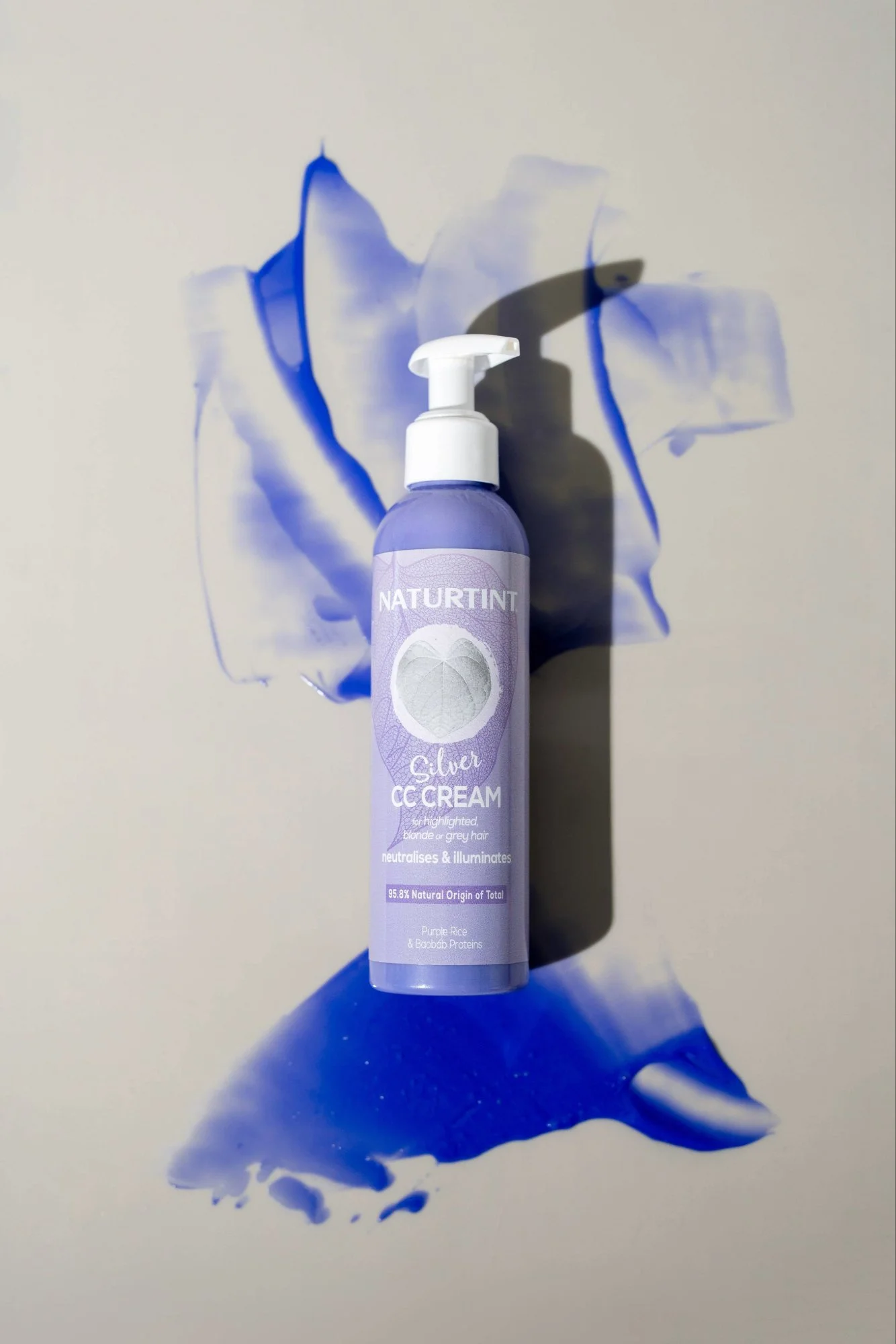
Styling for Naturtint, using texture and composition to communicate more than simply what the product looks like.
When I photographed Naturtint, the original brief came through their agency and the imagery was primarily being created for social media.
But I tend to be pretty thorough with my shot lists. I was thinking about the ingredients and textures around the products, how we could bring them to life and how to create enough variation within the shoot to make the final image library genuinely useful.
The images ended up going further than the original social brief. Naturtint head office requested them too, and some of that imagery now appears on Holland & Barrett's website.
That's the kind of thing I mean when I talk about creating brand imagery with purpose.
You might commission something for Instagram today, but if we've thought carefully about what we're creating, there may be opportunities for that photography to work much harder for the brand.
Styling and creative direction: when my old styling brain takes over
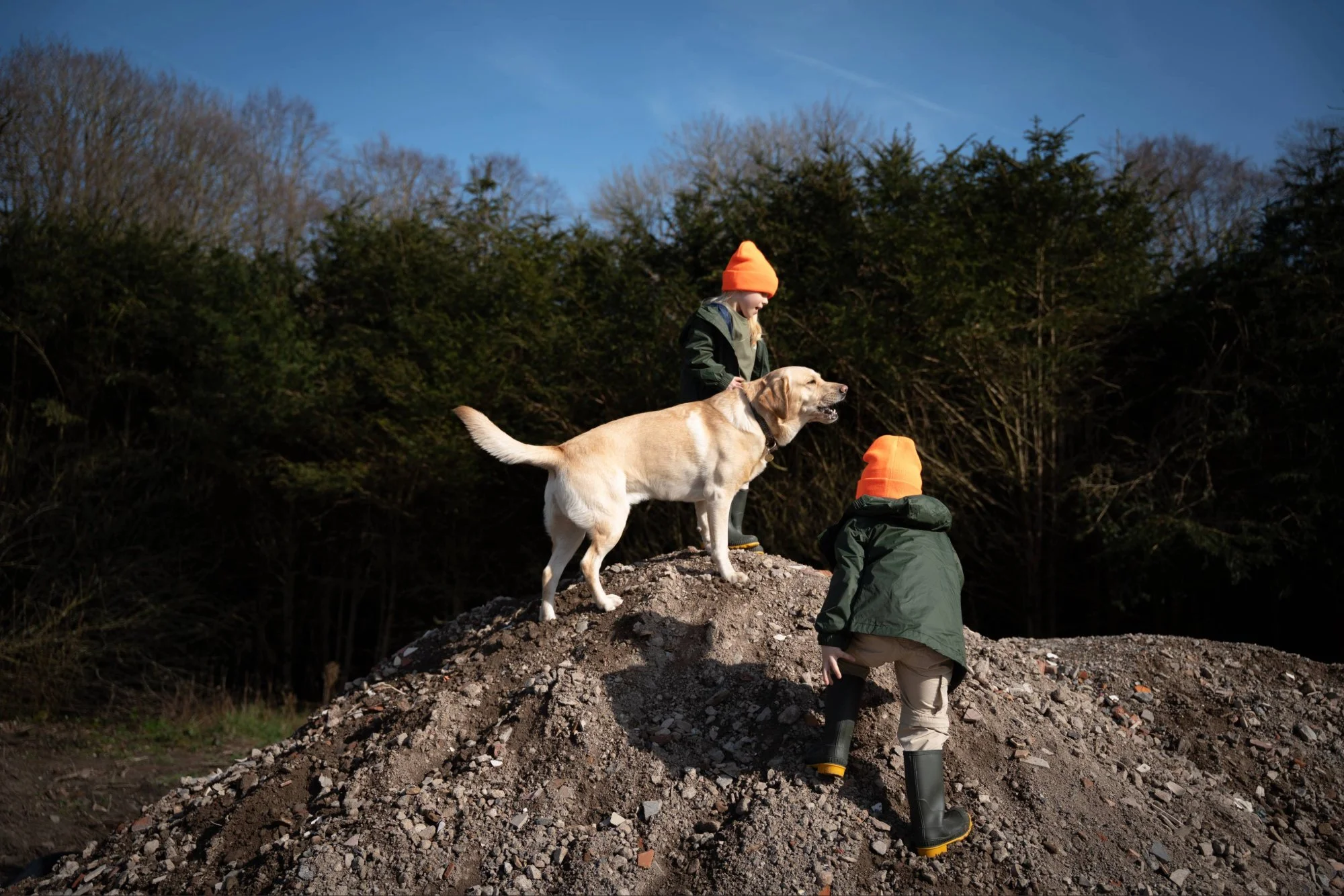
Styling on location for a national Mountain Warehouse campaign, thinking about the whole image rather than just what happens behind the camera.
My background comes through in other ways too.
For a Mountain Warehouse campaign, years of organising ranges and styling products suddenly became very useful when I needed to coordinate and style outfits for the shoot.
I don't separate photography, styling and creative direction into completely different parts of my brain, they overlap. I'm looking at how everything works together and whether something feels right for the brand rather than simply concentrating on camera settings.
That also means I'm not interested in making every client look like Rebel Black Studio.
I think being a creative chameleon is a strength
Some photographers have an incredibly recognisable aesthetic. You can look at an image and know immediately who shot it.
There is absolutely a place for that, but what I love is being able to step into somebody else's world.
I've spent years working across completely different product categories, customers and brands. You learn very quickly that what works for one won't necessarily work for another.
That experience helps me adapt, the creative direction for a natural wellness brand shouldn't automatically look like the shoot I created for a fashion client simply because both hired the same photographer.
I want to understand your brand and tell the story your way.
The consistency in my work comes from how thoroughly I approach it and the level of care that goes into the final result, rather than applying the same visual formula to everybody.
I thought I'd left that career behind
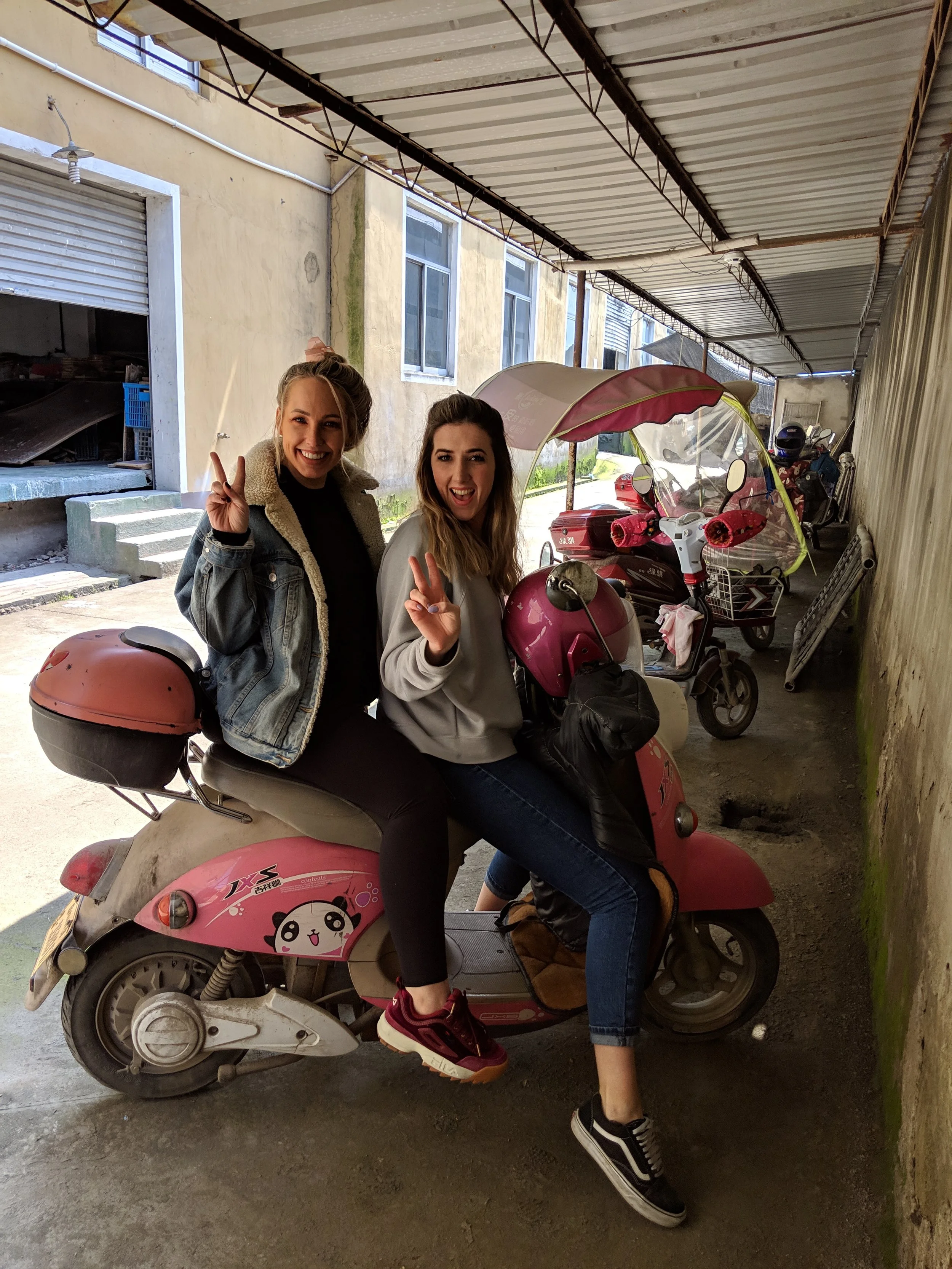
Fran and me in China, somewhere between factory visits, product meetings and probably a very long day.
When I left the product development world, I don't think I appreciated how much of it would follow me, but the organisation certainly did.
So did the analysis, the eye for detail and all those years spent thinking commercially about products and brands.
Even my slightly crippling perfectionism has turned out to be quite useful!
Having my children was really the push that made me start taking the idea of a different life more seriously. I wanted more flexibility and I wanted to use the creative part of myself that had always been there.
I'm still carving that out now, I don't have a perfectly mapped out five year plan for Rebel Black Studio and I'm actually okay with that. I'd love to work with more product brands. I'd love more ongoing creative partnerships where I can really get underneath a business and help shape its content over time.
More than anything, I want to work with purposeful brands and talented people who have something they genuinely care about sharing with the world.
They can focus on doing that, I can obsess over the creative bit.
Maybe none of it was wasted time after all
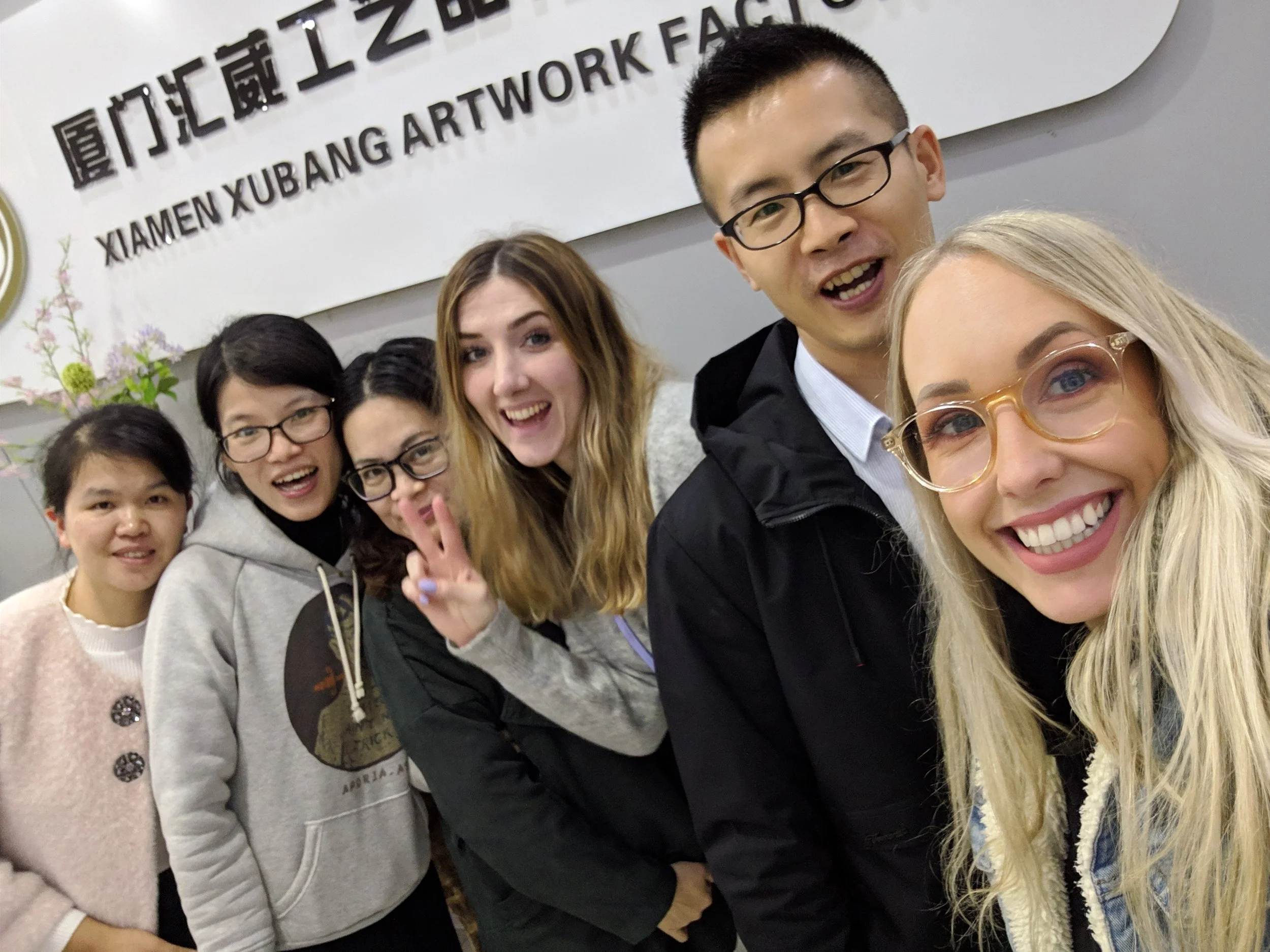
With Mavis and one of the factory teams I worked with during my years in product development.
For a while, I probably looked at my old career as something I'd moved on from and now I see it differently.
Those years taught me how products are developed and how brands evolve. They taught me how much thought goes into the things customers eventually see on a shelf or screen and how important consistency becomes when lots of different people are responsible for bringing a brand to life.
They also taught me that good creative work needs both ideas and organisation behind it.
Rebel Black Studio is still evolving and so am I, at one point, making a living from my own photography business felt pretty far fetched. Now I'm doing it, my dreams for it are growing too, just at a pace that feels comfortable for me.
And if I had to sum up what all those years before photography bring to my clients now?
They know I'm thorough. They know I'll think about what we're creating rather than simply turning up and shooting what's in front of me.
And they know my crippling perfectionism probably won't let me fail.
Plus, I do take some pretty cool shots.
If you’re a product brand looking for imagery with a bit more thought behind it, you can see how I work on my product photography page, or drop me a message and tell me what you’re making. You don’t need to be local either. I’m based in Warrington, and you can post your products to my studio and we’ll plan everything over a call.